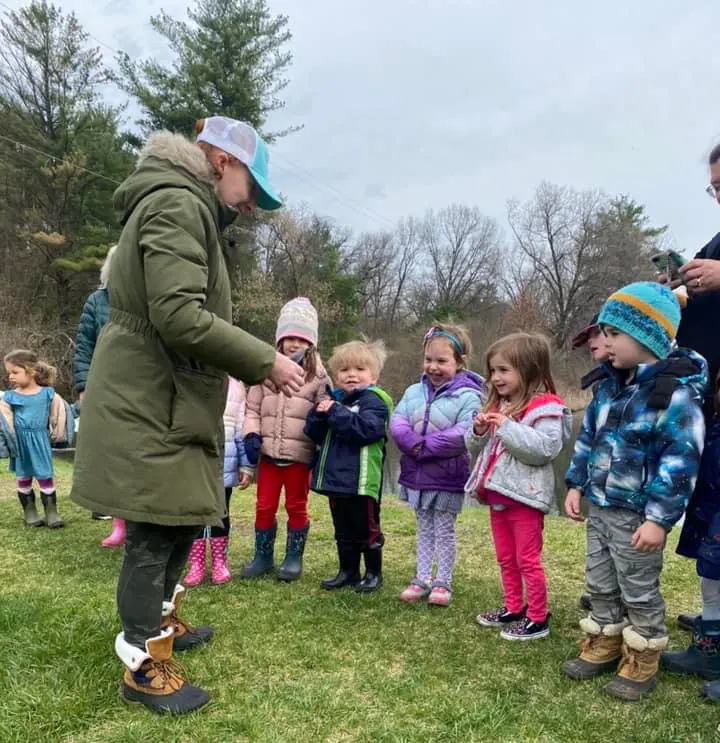
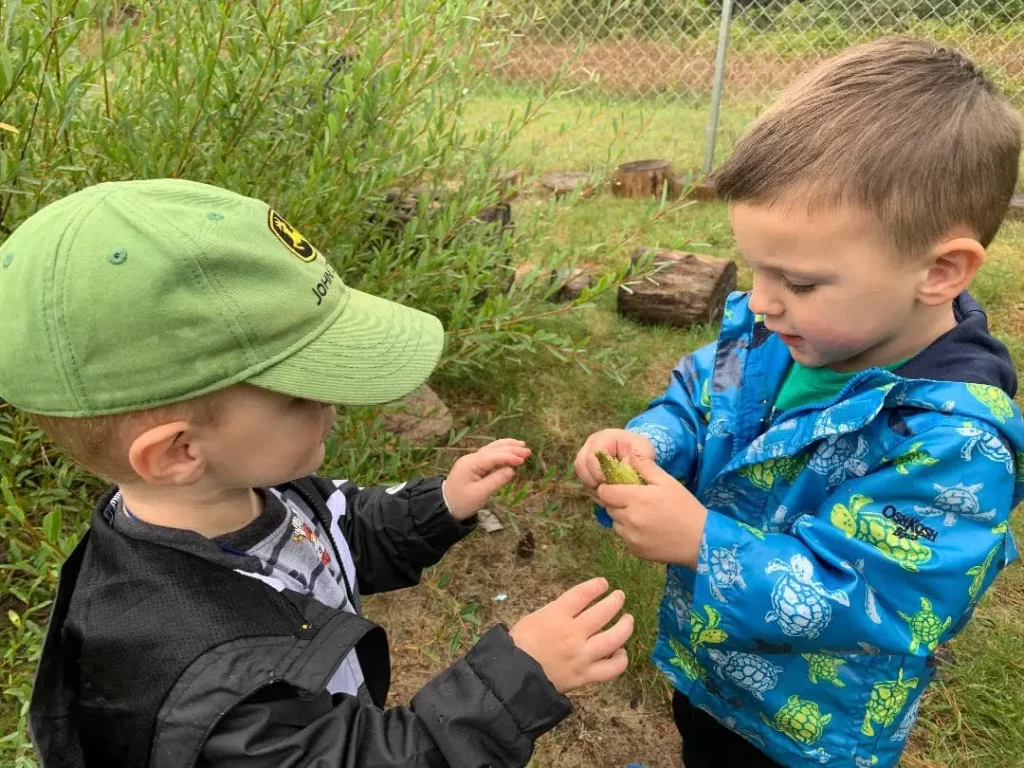
Research shows that for toddlers, and preschool-aged children, the best outcomes occur when learning is embedded in play. Building Blocks Preschool curriculum is based on three research-based principles:

The first social experience away from home shapes the way the child sees the world from that point on. Children need to feel empowered and see themselves as a truly integral part of the world’s operations. Each child should feel important and needed in his or her environment. Children realize that they have something special to share with their world on each given day; it is our role to allow the child to naturally bring forth what they have inside of them.
We at Building Blocks, are dedicated to nurturing trusting relationships and to growing a deeply connected community that allows intellectual and emotional risk-taking. We emphasize a joyful, playful climate and a culture of intellectual inquiry and critical thinking.
Our program is anchored by commitments to:
Building Blocks curriculum is based on the Reggio Emilia / Project Approach to early childhood education. Our programs are play-based because we believe children learn by doing. The curriculum is carefully designed by Building Blocks Preschool Program to provide engaging, developmentally appropriate activities that encourage children to be confident, competent learners.
Our goal, as it is for the schools of Reggio Emilia, is to create an environment for children, teachers, and parents. Our Preschool Program is staffed with multiple teachers; however, in the Reggio Emilia Approach the environment is considered the “third teacher.”
The classroom provides a home-like learning environments and the outdoors extends the curriculum. The classroom is set up to inspire, nurture and encourage discovery. We believe children are lovers of learning and we create an environment to encourage and support this desire. Classrooms are divided into learning centers that intrinsically foster social skills, cognitive development, and academic skills, while engaging their desire to learn, as they explore and discover together. Learning activities, materials, and other items are introduced into the classroom environment that focuses around the interests of the children. The daily schedule provides a structure that helps the children feel secure and competent. We follow the best practice guidelines at NAEYC and you can read current articles here.